
The practical restoration branch of The Humanity Project
Green Earth Initiatives
Practical restoration, conservation, stewardship, and community action.
Green Earth Initiatives is the practical restoration branch of The Humanity Project — a growing family of efforts devoted to caring for land, water, neighborhoods, food systems, pollinators, urban wildlife, and the shared spaces where people and creation meet.
This work is not a trend. It grows from a lifelong conservation ethic: recycling, cleaning up spaces, reducing waste, caring for land and water, and believing from earliest youth that people are responsible for the places they touch.
What Green Earth Initiatives Means
A family of practical restoration efforts, not a single campaign
Green Earth Initiatives is a family of practical restoration efforts focused on conservation, stewardship, community cleanup, gardens, food resilience, pollinators, waterways, urban wildlife, responsible resource use, education, and local action.
It exists to help people move from concern to care, and from care to action. The word “Initiatives” is plural on purpose. This is not one program with one banner — it is a coordinated body of work that grows as neighbors, churches, schools, and partners take up the parts nearest to them.
Concern
Noticing what has been neglected, wasted, or damaged.
Care
Deciding that the place you touch is your responsibility.
Action
Showing up with gloves, seeds, tools, and steady habits.
The Work
What this looks like on an ordinary Saturday
Every part of this list is something a person, family, class, congregation, or crew can actually do.
Cleanups & litter removal
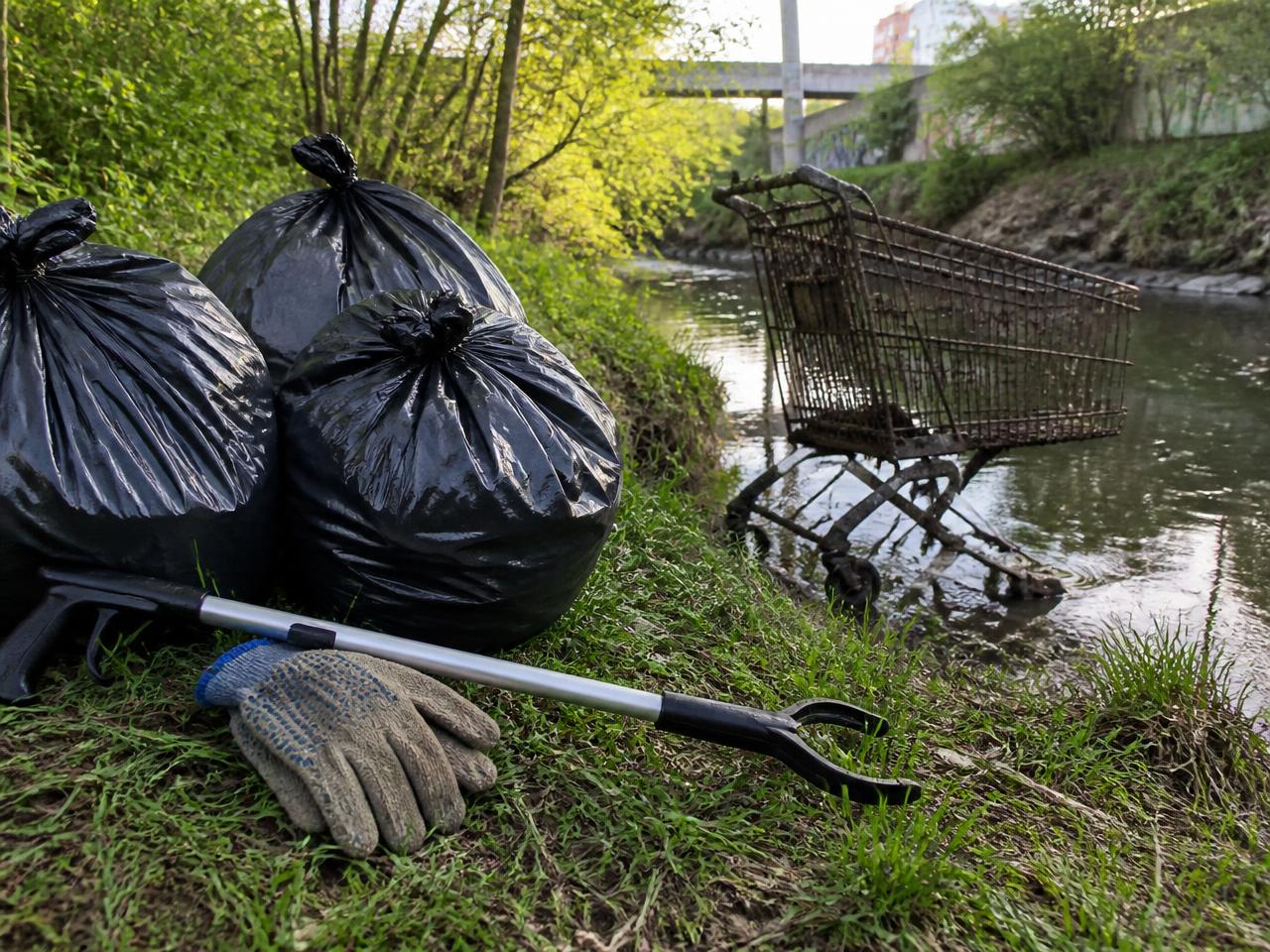
Organized neighborhood, park, roadside, and creek-bank cleanups — the plain work of removing what should not be there.
Creeks & watershed care
Watching over urban creek branches, reporting problem areas, clearing debris, and protecting the water that runs through our neighborhoods.
Gardens & food resilience
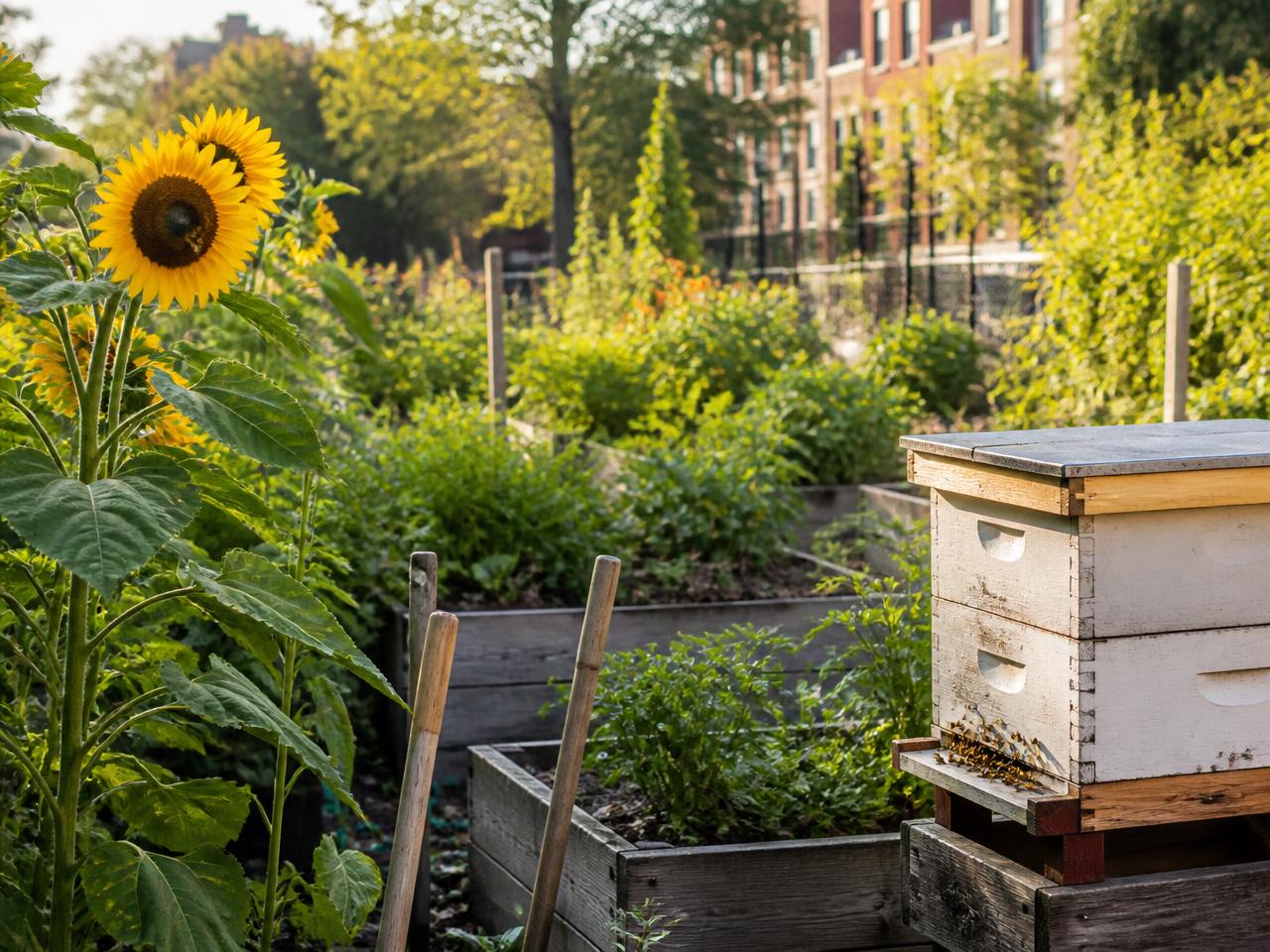
Container beds, raised beds, rooftop and community gardens that put real food within reach of the people who tend them.
Pollinators & habitat
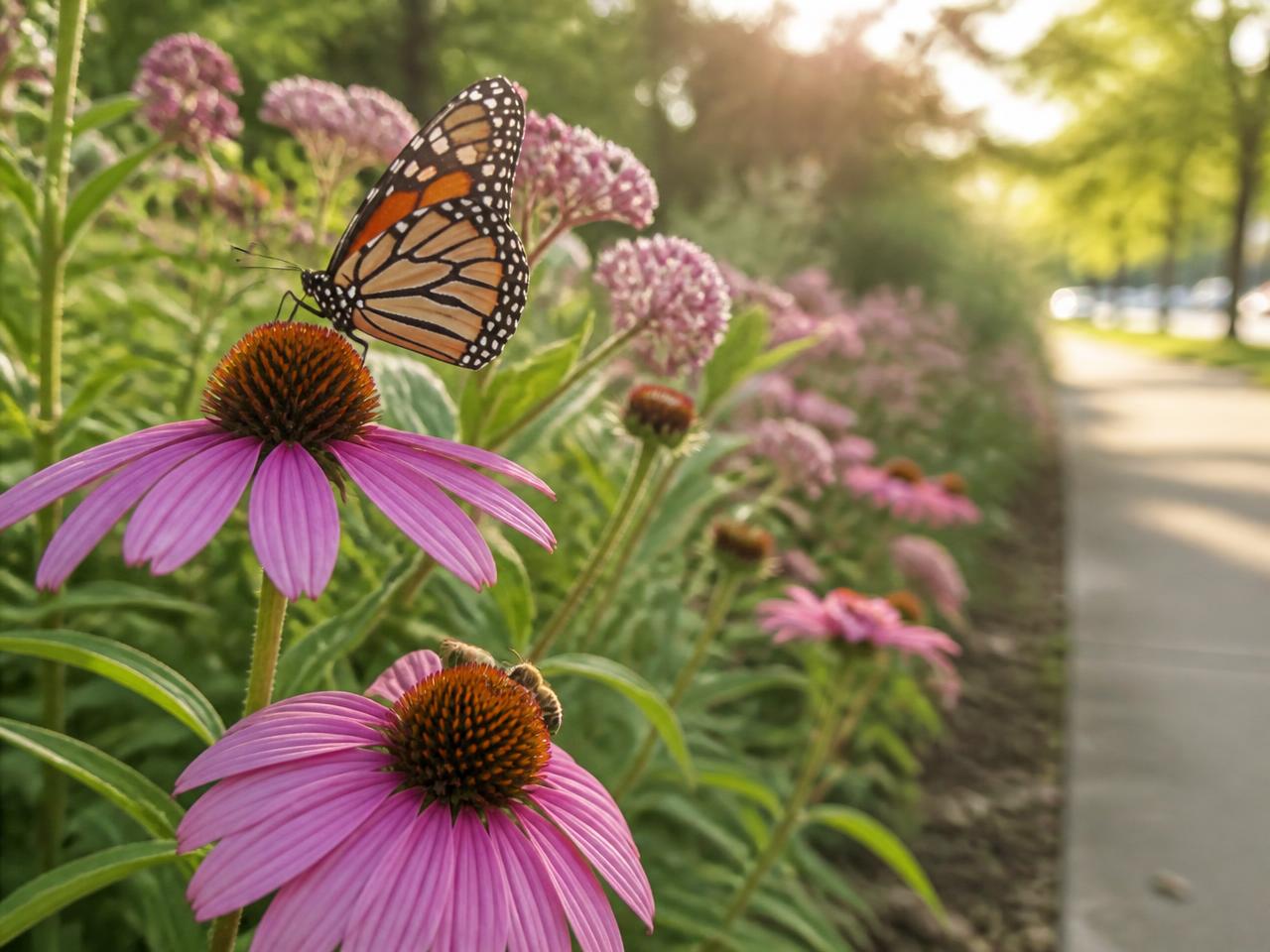
Pollinator strips, native plantings, and urban beekeeping that give bees and butterflies somewhere to land.
Urban wildlife awareness
Helping neighbors recognize the creatures already living beside them, and the habitat they quietly depend on.
Recycling & responsible use
Reducing waste, reusing what still has life in it, and treating materials as something entrusted rather than discarded.
Environmental education
Simple, usable teaching for families, classrooms, churches, and civic groups — why it matters and how to begin.
Quiet practical service
Repair, tending, and restoration done without applause, because the place is better afterward.
A Lifelong Conservation Ethic
A conservationist since youth
Long before conservation became a corporate slogan or public trend, Barry Willie Black had already learned to see waste, neglect, and careless damage as things that should be answered with responsibility. Recycling, cleaning up spaces, and caring for shared places were not abstract causes. They were practical duties.
Green Earth Initiatives carries that early conviction forward into a larger body of work: gardens, waterways, cleanups, food resilience, pollinators, urban wildlife, education, and restoration.
Connected Projects
One ecosystem, many hands
Green Earth Initiatives does not stand alone. It is one branch of a connected body of work — written, practical, and quiet.
Parent hub
The Humanity Project
Parent hub and organizing umbrella
The Humanity Project gathers moral reflection, written diagnosis, practical restoration, community renewal, and service-driven projects into one connected ecosystem.
The written diagnosis
Humanity's Blight and Cure
Written diagnosis and moral-spiritual framework
The book series explores the deeper wounds, failures, responsibilities, and possibilities for renewal that stand behind the practical restoration work.
Gardens & food resilience
Heartland Project
Gardens, food resilience, pollinators, and green communities
A connected project focused on urban gardens, container and raised-bed growing, rooftop gardens, community gardens, urban beekeeping, pollinator support, green architecture, and food resilience.
Creeks & cleanup
Clean It Up!
Creek care, litter removal, watershed stewardship, urban wildlife
A practical cleanup and reporting initiative helping communities identify problem areas, organize cleanup efforts, care for waterways, remove litter, and protect urban wildlife habitat.
Quiet service
Quiet Works Project
Quiet service, unseen good, practical acts of restoration
A connected service-minded project representing the quiet, faithful, practical work of repairing, helping, cleaning, restoring, and serving without needing public applause.
This site
Green Earth Initiatives
The full map of connected work, origins, and local beginnings — including the Little Walnut Creek / Willie’s Branch story.
Ways to Get Involved
From concern to care, from care to action
There is a place in this work for individuals, families, churches, schools, neighborhoods, civic groups, local businesses, and corporate partners.
Part of The Humanity Project
The diagnosis is written. This is the part with gloves on.
The Humanity Project is the parent hub — moral reflection, written diagnosis, community renewal, and service-driven projects gathered into one connected ecosystem. Green Earth Initiatives is its practical restoration and conservation branch. What Humanity’s Blight and Cure names in writing, this branch answers with work that can be seen, joined, and repeated.