About
It began as a way of seeing the world
Green Earth Initiatives is rooted in Barry Willie Black's lifelong conservation mindset, beginning in earliest youth with recycling, cleaning up spaces, and caring about waste and stewardship before those concerns became popular public language.
Origin
Not a branding idea
Green Earth Initiatives did not begin as a branding idea. It began as a way of seeing the world: waste matters, water matters, land matters, food matters, wildlife matters, and people are responsible for the condition of the places they occupy.
From early recycling habits and cleaning up shared spaces to present-day projects focused on waterways, gardens, food resilience, pollinators, and community restoration, Green Earth Initiatives gathers those convictions into a practical public framework.
Conviction
Stewardship is a duty, not a slogan
This work is faith-informed. It rests on the plain conviction that the world is entrusted to us rather than owned by us, and that the condition of a creek, a lot, a roadside, or a garden bed says something true about the care of the people nearest to it. That conviction does not require anyone to share a creed before picking up a bag and a pair of gloves. It only asks that the work be done honestly.
It is also deliberately unglamorous. Restoration is repetitive. Litter returns. Gardens need water in August. Creeks fill again after a storm. The measure of this branch is not how it sounds, but whether the same people come back next season.
Purpose
To help people move from concern to action
Many people already care. What they often lack is a first step, a small plan, a few tools, and the company of others. Green Earth Initiatives exists to supply those things: a clear explanation of the work, practical education, connected projects to join, and a network that helps a cleanup, a garden, or a pollinator strip continue after the first Saturday.
What this branch holds
- Conservation and responsible resource use
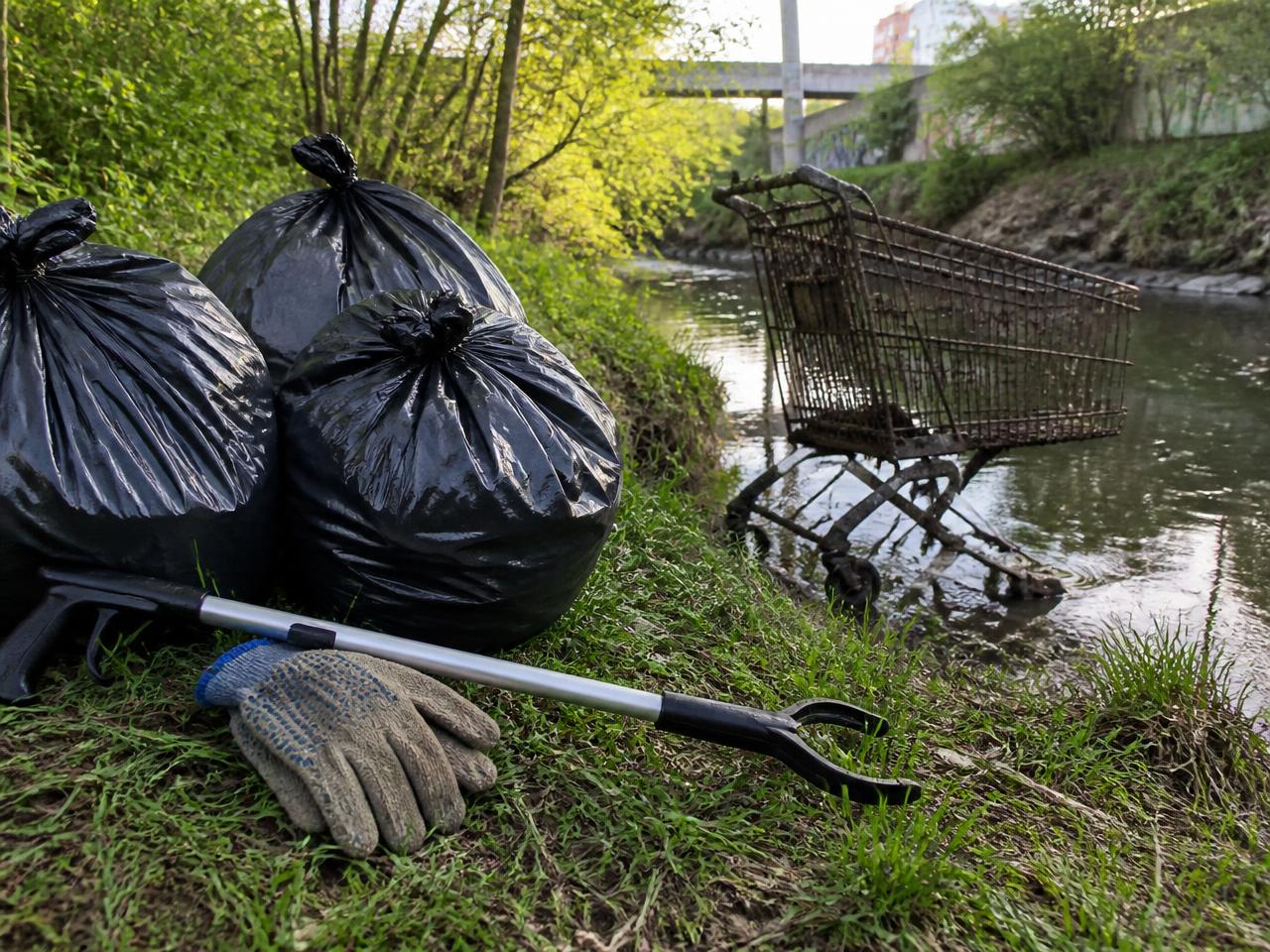
- Cleanups, litter removal, and creek care
- Gardens, food resilience, and pollinators
- Urban wildlife awareness
- Environmental education
- Community partnerships and quiet service
Part of a larger body of work
The written diagnosis lives in Humanity’s Blight and Cure. The practical answer lives here and in the connected projects.
How we work
Four commitments
These are the habits that keep restoration work from becoming a slogan.
Start where you stand
The nearest neglected place is the right place to begin. Local first, always.
Do the plain work
Bags, gloves, seeds, water, tools, and return visits. Results people can see.
Teach as you go
Every project should leave someone able to lead the next one without us.
Keep coming back
Restoration is measured in seasons, not in single events or announcements.