A Lifelong Conservation Ethic
A Conservationist Since Youth
Barry's conservation ethic reaches back to earliest youth, when recycling, cleaning up spaces, reducing waste, and caring for shared places were already part of his life. Green Earth Initiatives is the mature public expression of those convictions, not a sudden branding exercise.
Long before conservation became a corporate slogan or public trend, Barry Willie Black had already learned to see waste, neglect, and careless damage as things that should be answered with responsibility. Recycling, cleaning up spaces, and caring for shared places were not abstract causes. They were practical duties.
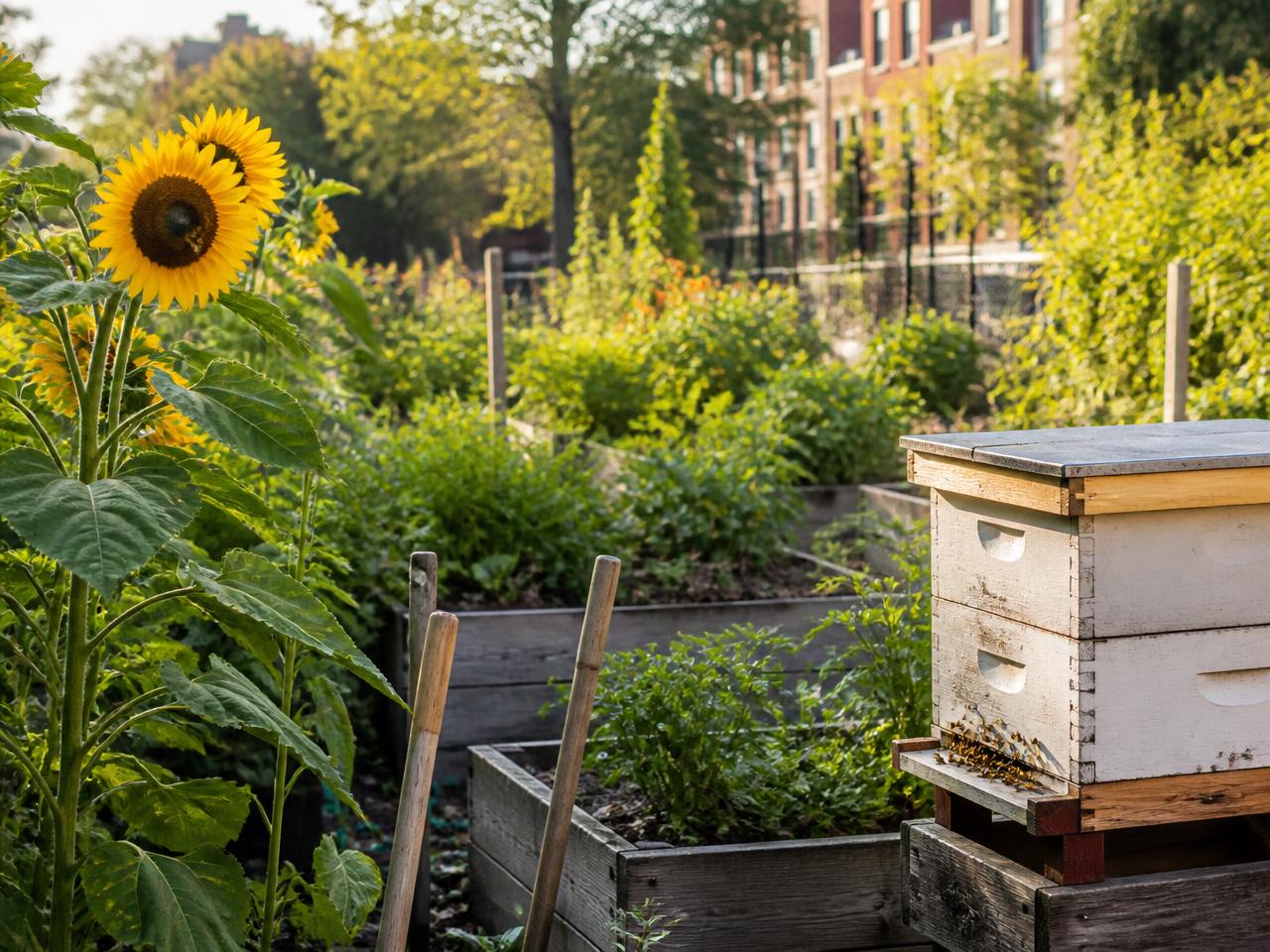
Green Earth Initiatives carries that early conviction forward into a larger body of work: gardens, waterways, cleanups, food resilience, pollinators, urban wildlife, education, and restoration.
“Waste matters, water matters, land matters, food matters, wildlife matters, and people are responsible for the condition of the places they occupy.”
Long memory
Why the timeline matters
Anyone reviewing this site — a neighbor, a school, a congregation, a city group, or a corporate partner — deserves to know whether they are looking at conviction or positioning. The honest answer here is a long one: these habits were formed in childhood, practiced without an audience for decades, and only later gathered under a name.
That order matters. The work did not begin because conservation became a popular topic; the name was created because the work already existed and needed somewhere for other people to join it.
What it is not
- Not a trend or a seasonal campaign
- Not a marketing posture
- Not a political project
- Not a response to a popular issue
The through-line
From early habits to a connected body of work
Not a timeline of announcements — a description of how one conviction kept taking new practical forms.
- 01
Earliest youth
Recycling, saving what could be reused, and refusing to treat waste as somebody else's problem.
- 02
Cleaning up shared spaces
Picking up after others in yards, lots, roadsides, parks, and public places — before anyone called it stewardship.
- 03
Caring about land and water
Paying attention to creeks, drainage, soil, trees, and the creatures that depend on them.
- 04
Growing and tending
Gardens, beds, plants, and pollinators: producing something rather than only protecting something.
- 05
Writing the diagnosis
Humanity's Blight and Cure names the deeper neglect that shows up in a littered creek and a wasted lot.
- 06
Gathering it into initiatives
Clean It Up!, Heartland Project, Quiet Works, and Green Earth Initiatives — so others can join the work.